Whitestone Locksmiths Service Team
Local locksmith team
Jul 30, 2026 10 min read
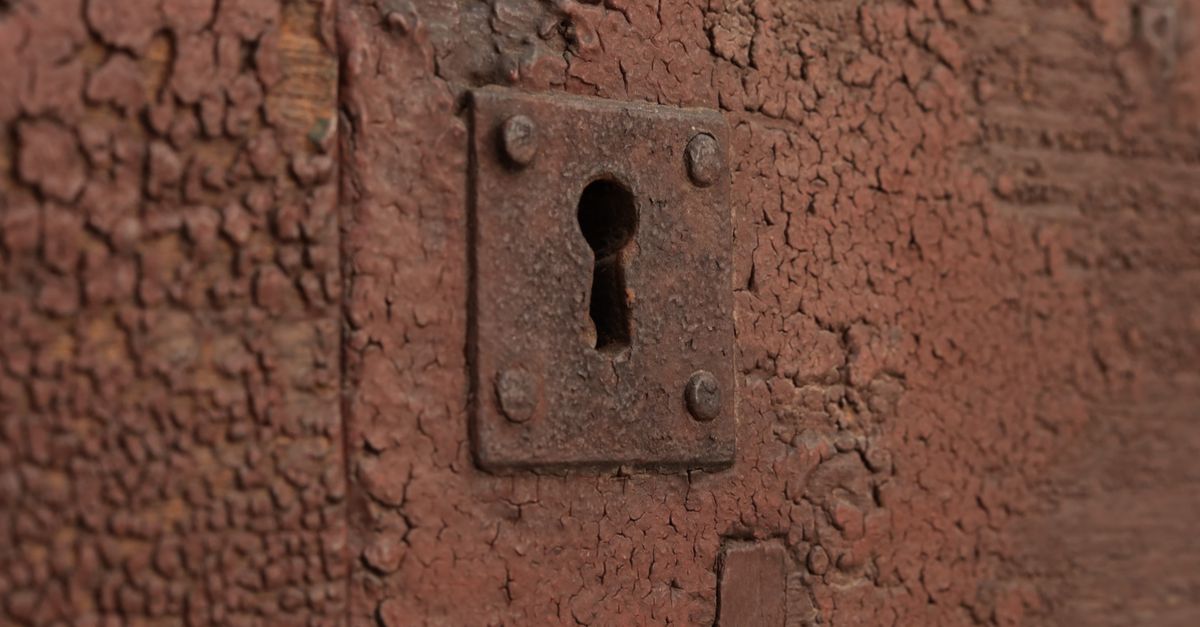
If you live in a pre-war apartment building along Hillside Avenue, a detached home in Whitestone, or a brick two-family in Jamaica Estates, there is a good chance your front door is guarded by a mortise lock — a heavy, rectangular mechanism set deep inside the door edge rather than bolted through it. These locks have protected Queens homes for over a century, and many are still doing their job quietly inside doors that haven't been touched since the 1940s. The problem is that most homeowners have no idea what type of lock they have, what it does, or when it needs professional attention.
This guide breaks down exactly what a mortise lock is, how it differs from the cylinder lock on a modern door knob, how to spot signs of wear before a failure strands you outside at midnight, and when to call a locksmith for repair or replacement. Whether you are inheriting an older home in Flushing, upgrading a rental property near Forest Hills, or simply trying to understand the hardware between you and the outside world, this is the practical information you actually need.
## What Is a Mortise Lock — and Why Are They Everywhere in Queens?
A mortise lock is a complete locking mechanism housed inside a deep rectangular pocket — called a mortise — that is chiseled into the body of the door itself. Unlike a standard cylindrical lock, which punches a single hole through the door and relies on a spring latch bolted through the edge, a mortise lock set integrates a deadbolt, a latch bolt, and sometimes a secondary function (like a night latch or passage function) all within one unified steel case. The result is a stronger mechanical connection to the door frame and a lock that, when properly maintained, is genuinely difficult to defeat.
Queens is one of the most architecturally dense and historically layered boroughs in New York City. Tudor Revival homes in Kew Gardens, Italianate rowhouses in Richmond Hill, and mid-century apartment buildings in Astoria were all built during eras when the mortise lock set was the industry standard for exterior doors. Manufacturers like Corbin Russwin and Baldwin supplied these locks to builders throughout the New York metro area for decades. A Corbin Russwin mortise lock from a 1930s Queens brownstone and a Baldwin mortise lock installed on a 1970s co-op door may look similar on the outside but have meaningfully different internal tolerances, keyways, and cylinder sizes — a distinction that matters enormously when you need parts or service.
## Mortise Lock vs. Cylinder Lock: Spotting the Difference on Your Own Door
Stand at your front door and look at the edge of the door — the narrow strip of wood or metal you see when the door is open. On a door with a standard cylindrical lock (the kind sold at most hardware stores today), you will see a small, rounded face plate with a single spring latch. The entire mechanism is contained in a cylinder that passes through two bored holes. On a door with a mortise lock, you will instead see a tall, rectangular face plate — often two to four inches wide and six to eight inches tall — set flush into the door edge. This plate may have two or even three bolt openings: one for the deadbolt, one for the spring latch, and sometimes one for a chain guard or auxiliary bolt.
The lock cylinder on a mortise lock — often called a mortise lock cylinder — is a separate, removable plug that threads or clips into the main body of the lock case. This is different from a rim cylinder lock, which mounts on the surface of the door (common on older New York City apartment doors as a secondary night latch). Knowing which type you have is the first step toward understanding your security, because each requires different service, different replacement parts, and a different skill set to work on correctly. If you are unsure, a quick phone call to our team at (347) 341-4474 can help you identify what you have before any work is discussed.
## Warning Signs Your Mortise Lock Needs a Locksmith's Attention
Mortise locks are built to last, but they are not immortal. Inside that steel case is a set of levers, springs, cams, and a cylinder — all of which accumulate wear over decades of daily use. The most common warning signs that something is failing include: a key that suddenly requires extra force or a specific wiggle angle to turn; a deadbolt that no longer throws fully and retracts sluggishly; a latch that fails to spring back after the door closes; a loose or spinning cylinder that turns without engaging the lock mechanism; and visible rust or pitting on the face plate, which often signals corrosion inside the case as well. In older Queens homes where humidity and seasonal temperature swings cause wood doors to swell and shift, these symptoms can appear gradually over months before a full failure occurs.
A failing mortise lock rarely gives you much notice before it stops working entirely. If the key breaks off inside the mortise lock cylinder — a common occurrence with worn cylinders and old brass keys — extracting it without damaging the cylinder requires specialized tools and technique. Similarly, if the internal lever springs break, the lock can seize in either the locked or unlocked position, leaving you either locked out of your own home or unable to secure it. These are not situations for improvised solutions. They require a skilled locksmith who understands the internal geometry of mortise hardware, not just standard cylindrical lock service. If you notice any of these warning signs, do not wait for a complete failure — call (347) 341-4474 and our experienced team can assess whether repair or full replacement is the right call.
## Repair, Re-key, or Replace? How a Locksmith Evaluates a Mortise Lock
When a professional locksmith inspects a mortise lock, the evaluation follows a clear logic: can the existing hardware be restored to full function, or has wear or damage progressed to the point where replacement is the safer and more cost-effective path? For many older Queens homes with quality hardware from brands like Corbin Russwin or Baldwin, repair is often worthwhile — these locks were built to a standard that modern budget hardware rarely matches, and a skilled locksmith can replace worn internal components, re-key the cylinder, or install a new mortise lock cylinder without touching the existing lock body or the door itself.
Re-keying is the most common service request and applies when the lock is mechanically sound but the key history is unknown — after purchasing a home, after a tenant moves out of a rental property, or after a key is lost. Re-keying a mortise lock changes the internal pin configuration of the cylinder so that only a new key works; it does not require replacing the entire lock set. Full replacement becomes necessary when the lock case itself is cracked or corroded, when the door has been damaged around the mortise pocket, or when the homeowner is upgrading to a modern mortise lock set exterior door configuration that supports higher security cylinders or smart-key technology. The factors that determine the final quote for any of this work include the specific lock model and brand, the parts required, the condition of the door and frame, and the time of day the service is performed — and our team always confirms an exact price before any work begins.
## 25 Locksmith Services Available Across Queens, NY
Whitestone Locksmiths covers the full range of residential, automotive, and commercial locksmith needs throughout Queens — from Whitestone to Rockaway Beach, and from Jackson Heights to Howard Beach. Our trained technicians handle all of the following: mortise lock repair and full replacement; mortise lock cylinder extraction and re-keying; rim cylinder lock service and replacement; standard door knob lock installation and re-keying; deadbolt installation on exterior and interior doors; high-security cylinder upgrades for residential doors; master key system design and installation for multi-unit residential buildings; emergency locksmith response for residential lockouts; emergency locksmith response for commercial lockouts; lock-out service for cars, trucks, and SUVs; automotive key cutting and key programming for transponder and smart keys; broken key extraction from door locks and ignition cylinders; ignition switch repair and replacement; car key duplication for standard and chip keys; mailbox lock repair and replacement; padlock service and combination lock reset; gate lock installation and repair for yards and driveways; file cabinet and desk lock service; safe opening, combination change, and bolt work repair; window lock and sash lock installation; door reinforcement hardware installation including strike plates and security bars; access control system installation for commercial properties; commercial locksmith service for storefronts, office suites, and warehouses; lock installation after break-in or attempted forced entry; and after-hours emergency locksmith response with no hidden fees, seven days a week including holidays.
Frequently asked questions
Do you offer 24/7 emergency locksmith services in Queens?+
Yes — Whitestone Locksmiths operates around the clock, every day of the year, including weekends and holidays. Whether you are locked out of your Woodside apartment at 2 a.m. or dealing with a broken mortise lock on a commercial property in Long Island City on a Sunday morning, our mobile team is dispatched from within Queens so response times stay realistic. Call (347) 341-4474 at any hour and a live team member will answer.
How fast can a locksmith arrive at my location in Queens, NY?+
Arrival time depends on your specific location within Queens, current traffic conditions, and how many calls are active at the time you reach us. Because our technicians are mobile and positioned throughout the borough — not dispatched from a single fixed shop — we are typically able to reach most Queens neighborhoods significantly faster than a non-local service. When you call (347) 341-4474, we will give you a realistic estimated arrival window based on current conditions, not a generic promise.
How much should a locksmith cost in Queens, and how is the price determined?+
There is no single flat rate because the work varies significantly from job to job. The factors that shape your quote include the type of lock involved (a mortise lock set on an exterior door requires more labor and specialized parts than a standard door knob lock), the specific brand and model of the hardware, whether parts need to be sourced on the spot, the time of day the service is performed, and your location within Queens. What we can promise is that our technician confirms an exact price with you before any work starts — there are no surprise charges added after the fact. To get accurate information specific to your situation, call or text (347) 341-4474.
Do you provide automotive locksmith and car lockout services in Queens?+
Absolutely. Car lockouts are one of our most frequent calls across Queens — from parking lots near Citi Field in Flushing to side streets in Bayside and everything in between. Our technicians are trained on a wide range of vehicle makes and models, including those with push-button ignitions, transponder keys, and proximity fobs. We handle broken key extraction from ignitions, key programming, and car key duplication as well as standard lockout service. If you are stuck with your keys inside the car, call (347) 341-4474 and we will dispatch a technician to your location immediately.