Car Key Replacement by Brand — What Actually Changes From One Make to Another
The phrase 'car key replacement' covers a surprisingly wide range of technical work, and the specific procedure depends almost entirely on the vehicle brand. A basic Ford F-150 with a chip key requires a different cutting profile and transponder cloning process than a BMW 5 Series that uses a comfort-access proximity key with rolling encryption codes. Dodge and Chrysler vehicles manufactured after 2013 frequently require a dealer-level SKIM module relearn, while Honda and Toyota hybrids carry transponder systems that must be synchronized to the vehicle's ECU during programming — not just cloned. Our technicians understand these manufacturer-specific differences because they train extensively on the actual tools and software platforms used for each brand, rather than applying a one-size-fits-all approach that can leave a key cut to spec but unable to start the car.
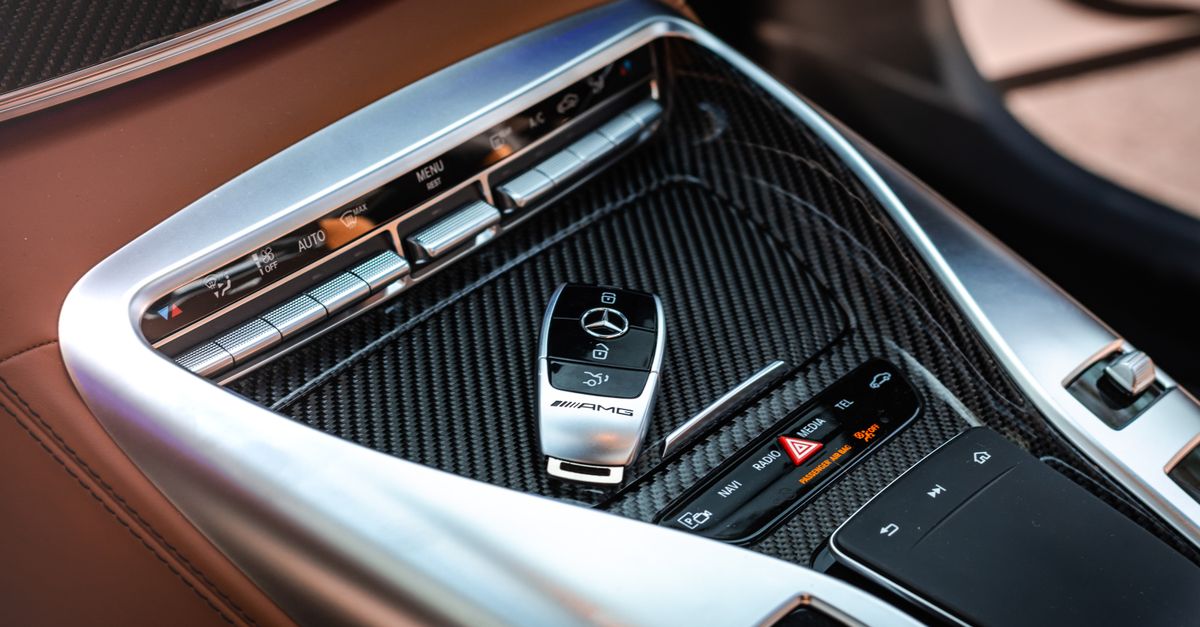
German makes such as Audi, Volkswagen, and Mercedes-Benz are well represented on Queens streets, particularly near Forest Hills and Rego Park, and they present some of the more layered programming challenges in the industry. Many post-2015 models from these manufacturers use encrypted key learning sequences that must be completed within a defined window after cutting, with the vehicle's onboard diagnostic system actively confirming each step. Luxury brands like Lexus and Infiniti often pair push-button start systems with immobilizer logic that ties the key directly to a specific VIN. Our mobile units are equipped with professional-grade key programmers that communicate with these systems via the OBD-II port, completing the pairing process damage-free wherever your vehicle happens to be parked.