What Happens to Your Door and Locks During a Forced Entry
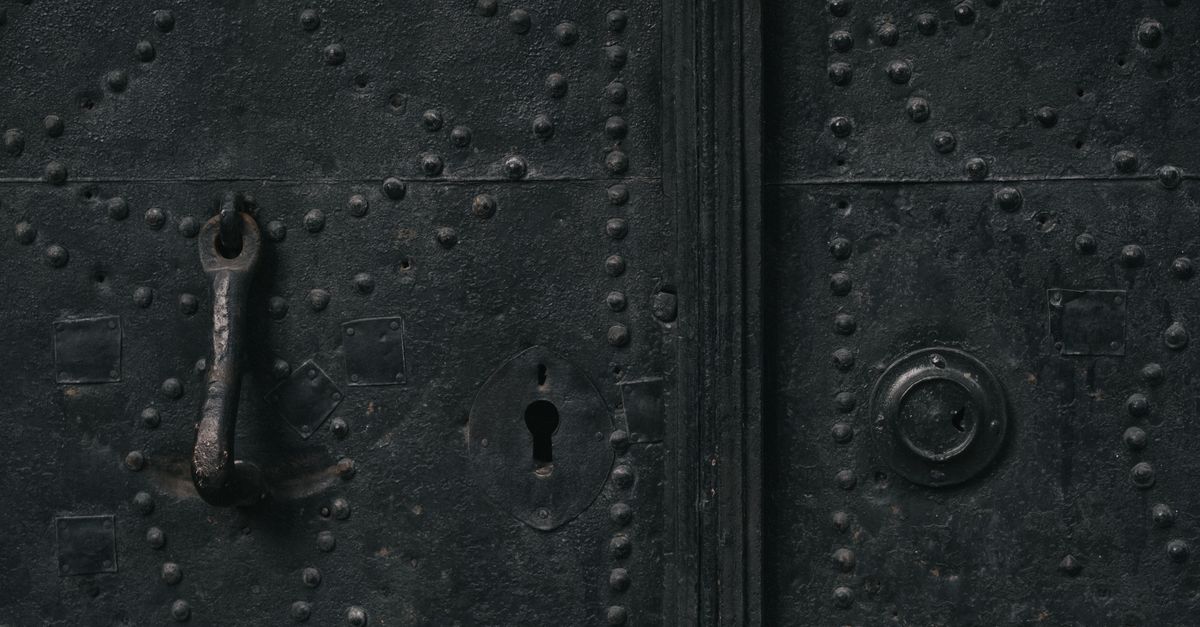
Burglars rarely pick locks cleanly. The reality of most break-ins is blunt force: a kick near the strike plate, a shoulder against the door knob lock, or a pry bar worked into the door frame. A standard door knob lock offers minimal resistance to a determined kick — the knob cylinder may survive intact while the surrounding frame splinters entirely. Mortise locks, which are recessed into the door edge and reinforced by a full steel chassis, hold up significantly better, but even a quality mortise lock can be compromised if the frame itself fails or the lock face is attacked directly. Understanding what was actually damaged — the lock body, the cylinder, the strike plate, the door frame, or all of the above — is the first thing our technicians assess when they arrive.
Common damage patterns we see in Queens include blown strike plates with only two short screws anchoring them (a chronic issue in older rental buildings in Jackson Heights and Woodside), door knob assemblies that have been wrenched entirely from the door face, and mortise lock bodies where the bolt mechanism has been forced back into the chassis under pressure. In multi-family buildings along Queens Boulevard or in attached rowhouses in Richmond Hill, a failed entry on one unit can also create a vulnerability for the shared entry door. We photograph and document the damage before starting work — useful for insurance claims — and then move immediately to emergency securing.